

Hair oiling is one of the oldest and most favoured hair care rituals in Indian culture — and for good reason. Grandmothers have sworn by it for centuries; Ayurvedic texts have documented its benefits, and modern dermatologists are now catching up with science to validate what generations of women have already known instinctively. But despite its deep-rooted popularity, one question continues to confuse even the most dedicated hair care enthusiasts: how often should you oil your hair?
The answer, as with most things in hair care, is not one-size-fits-all. Your ideal hair oiling frequency depends on your hair type, scalp condition, lifestyle, climate, and specific hair concerns. Too little oil, and you miss out on nourishment. Too much oil, and you may end up clogging your follicles, attracting dirt, or making your scalp greasier than ever.
This comprehensive guide breaks down everything you need to know about how often to oil your hair, why it matters, which products to use, and how to do it correctly for maximum results.
Table of Contents
Why Hair Oiling Matters: The Science Behind the Ritual
Before diving into frequency, it’s important to understand why oiling works. Hair oiling is not mere folklore — it’s backed by genuine science.
According to a study published in the Journal of Cosmetic Science, certain oils like coconut oil are capable of penetrating the hair shaft due to their low molecular weight and straight linear chain structure. This penetration reduces protein loss from the hair, making strands stronger and less prone to breakage. Other oils, like argan and almond, work on the surface as emollients, sealing in moisture and adding shine.
Beyond the strand itself, oil massages the scalp, which stimulates blood circulation to the hair follicles. Improved circulation means better delivery of nutrients and oxygen to the roots, which can directly support healthier, faster hair growth.
The benefits of regular hair oiling include:
- 🌿 Promoting hair growth by stimulating blood flow to follicles
- 💪 Strengthening hair strands and reducing protein loss
- 🔗 Minimizing breakage and split ends with improved elasticity
- 🧴 Nourishing and moisturizing the scalp to prevent dryness and flaking
- ✨ Enhancing shine and smoothness for visibly healthier hair
- 🦠 Fighting dandruff and fungal buildup with antifungal oils
- 🛡️ Protecting hair from heat and environmental damage
How Often Should You Oil Your Hair? Breaking It Down by Hair Type
The most critical factor in determining your ideal oiling frequency is your hair type and scalp condition. Here’s a detailed breakdown:
1. 🟡 Oily Hair & Oily Scalp
If your scalp produces excess sebum and your roots look greasy within a day or two of washing, you fall into this category. People with oily scalps often skip oiling altogether out of fear of making things worse — but that’s a mistake.
The key is moderation and technique.
Recommended frequency: Once a week, or once every 10 days
Apply oil only from mid-lengths to the tips, avoiding the scalp as much as possible. Focus on dry ends rather than already-oily roots. If you do apply to the scalp, use a very light oil like jojoba oil, which closely mimics the scalp’s natural sebum and helps regulate oil production rather than amplifying it.

💡 Expert Tip: Dr. Rinky Kapoor, Consultant Dermatologist at The Esthetic Clinics, Mumbai, recommends that people with oily scalps opt for lightweight, non-comedogenic oils and avoid leaving oil on overnight, as prolonged contact can clog pores and worsen scalp congestion.
2. 🔵 Dry Hair & Dry/Flaky Scalp
Dry hair is thirsty hair. If your strands feel rough, brittle, or straw-like, and your scalp feels tight or itchy, you need more frequent oiling.
Recommended frequency: 2–3 times per week
For dry hair, heavier, more nourishing oils like coconut oil, castor oil, or sesame oil are ideal. These oils coat the hair shaft effectively, locking in moisture and preventing further water loss. Warm oil treatments are especially beneficial — gently heating the oil before application allows deeper penetration and more intense conditioning. Leave the oil on for at least 30 minutes, or overnight for maximum nourishment (use a shower cap to protect your pillow).

3. 🟢 Normal Hair

If your hair is neither too oily nor too dry — you have what most hair care professionals call “normal” hair — you’re in luck. You have the most flexibility.
Recommended frequency: 1–2 times per week. A balanced oil like almond oil or argan oil works beautifully for normal hair, keeping it shiny, manageable, and well-nourished without weighing it down. Apply from roots to tips and leave on for 30–45 minutes before washing.
4. 🟣 Chemically Treated or Coloured Hair

If your hair has been permed, relaxed, bleached, or coloured, it is structurally more porous and therefore more vulnerable to damage. The chemical processes strip the hair of its natural oils and protective cuticle layer.
Recommended frequency: 2–3 times per week
Look for argan oil or marula oil — both are rich in antioxidants and oleic acid, which help repair the cuticle and restore lost moisture. Avoid heavy oils like castor oil on coloured hair as they can fade colour faster.
5. 🟤 Curly or Coily Hair
Curly and coily textures are naturally more prone to dryness because the sebum from the scalp has a harder time travelling down the curved hair shaft. This means these hair types need more frequent and generous oiling.
Recommended frequency: 2–3 times per week (or daily on ends)Castor oil mixed with a lighter carrier oil like coconut or almond is highly recommended. The thick consistency of castor oil forms a protective coating around the curl, reducing frizz and improving definition.

Oiling Frequency Based on Specific Hair Concerns: How Often Should You Oil Your Hair?
Beyond hair type, specific scalp and hair concerns also influence how often you should oil your hair:
🌸 Hair Fall
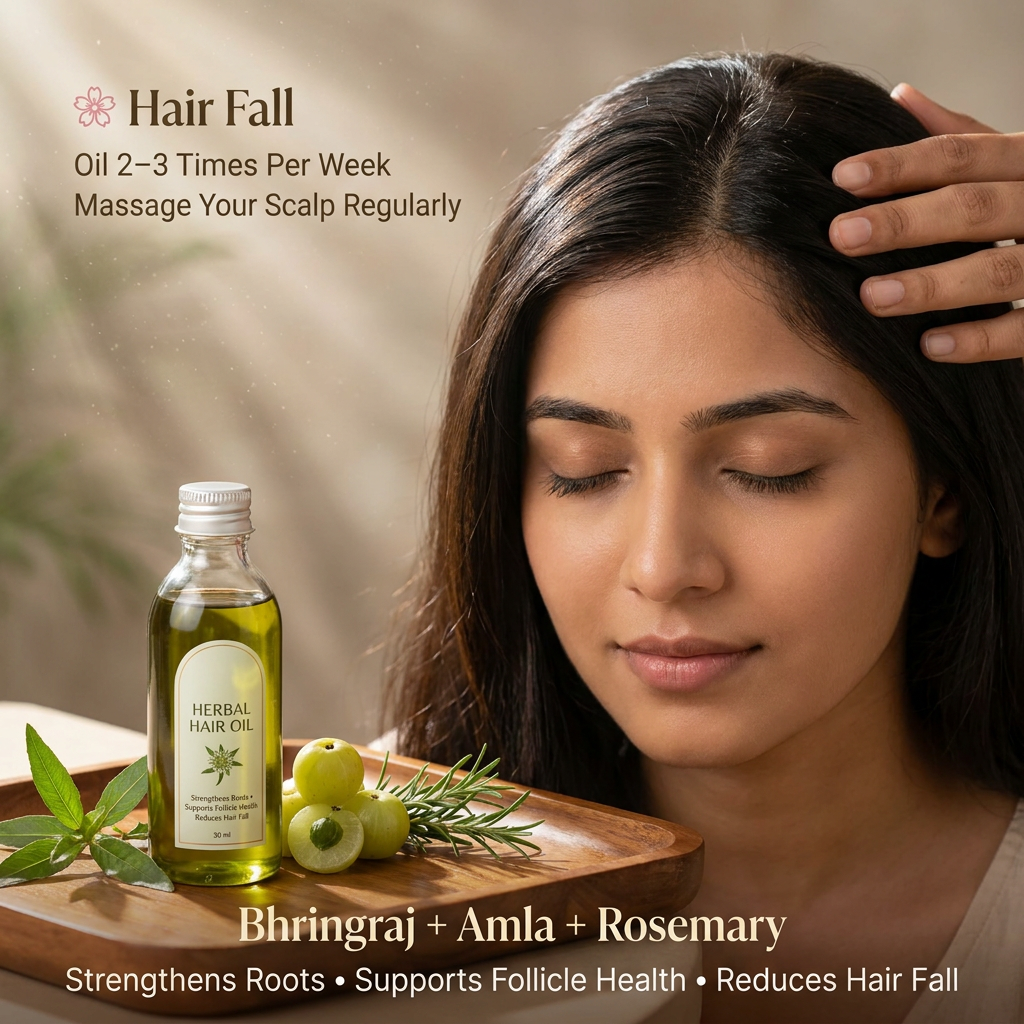
Excess hair fall can benefit from increased oiling frequency — 2–3 times per week — combined with a proper scalp massage. Oils rich in bhringraj, amla, and rosemary are clinically known to support follicle health and reduce hair fall.
❄️ Dandruff
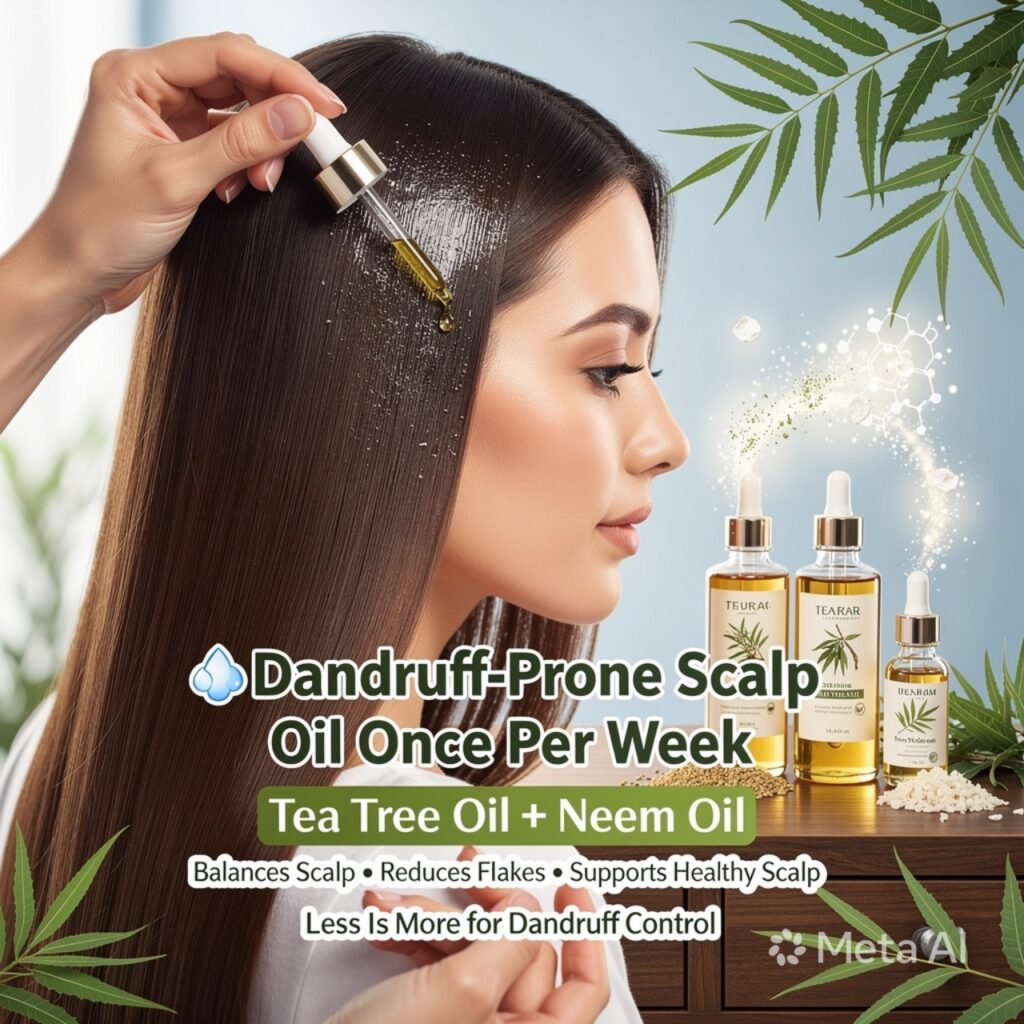
Contrary to popular belief, the right oils can help fight dandruff. However, the wrong oils applied too frequently can worsen it. For dandruff-prone scalps, opt for tea tree oil or neem oil-based blends, and oil once a week to avoid creating a warm, humid environment that favours yeast overgrowth (Malassezia).
🌦️ Environmental Factors

Contrary to popular belief, the right oils can help fight dandruff. However, the wrong oils applied too frequently can worsen it. For dandruff-prone scalps, opt for tea tree oil or neem oil-based blends, and oil once a week to avoid creating a warm, humid environment that favours yeast overgrowth (Malassezia).
Expert Recommendations: What Dermatologists Say
Leading hair care experts and dermatologists generally align on a few key principles when advising on how often you should oil your hair:
- Dr. Shuba Dharmana, a renowned cosmetic dermatologist from Bangalore, recommends oiling at least once a week for all hair types as a baseline practice, emphasizing that consistency matters more than frequency.
- Dr. Jaishree Sharad, Celebrity Dermatologist and author, suggests that pre-wash oiling (applying oil 30–60 minutes before shampooing) is far more beneficial and less damaging than overnight oiling for those with sensitive or acne-prone scalps.
Trichologists (hair and scalp specialists) commonly advise that massaging the scalp during oiling for at least 5–10 minutes is what truly activates the benefits, regardless of how long you leave the oil in.
Recommended Hair Oil Products Available in India: How Often Should You Oil Your Hair?
Here are some highly recommended oils you can easily find online:
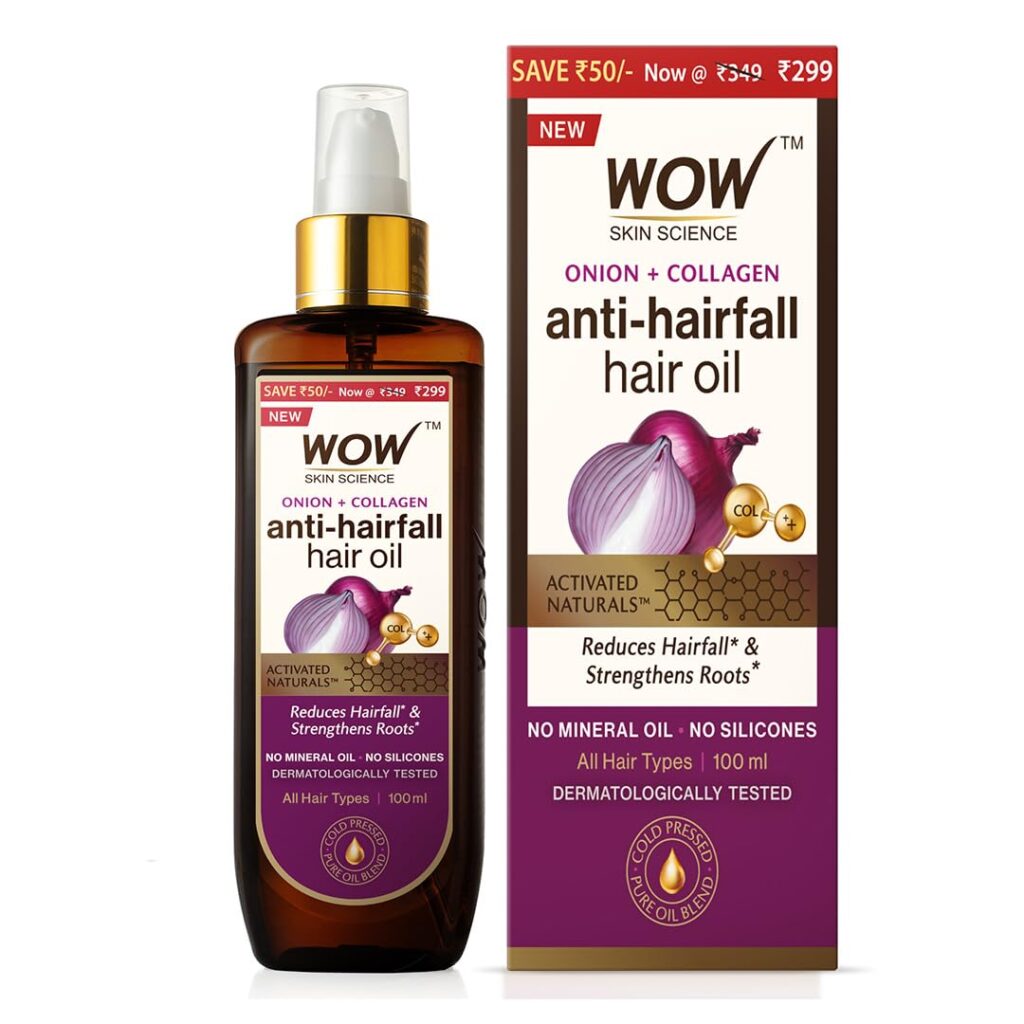
1. 🧅 WOW Skin Science Onion Black Seed Oil
Best for: Hair fall control and regrowth
Formulated with the powerhouse combination of onion oil and black seed oil, this product is specifically designed to tackle hair loss at the root. Onion oil is rich in sulphur, which strengthens hair follicles and boosts microcirculation to the scalp, while black seed oil (nigella sativa) provides antioxidant support. Together, they work synergistically to reduce hair fall and stimulate dormant hair growth. Ideal if you’re searching for how often you should oil your hair to address thinning concerns — using this 2–3 times weekly can deliver visible results within 6–8 weeks.
Why Choose It: Clinically proven ingredients, affordable, and readily available on Amazon and Nykaa.
2. 🌱 Mamaearth Onion Hair Oil
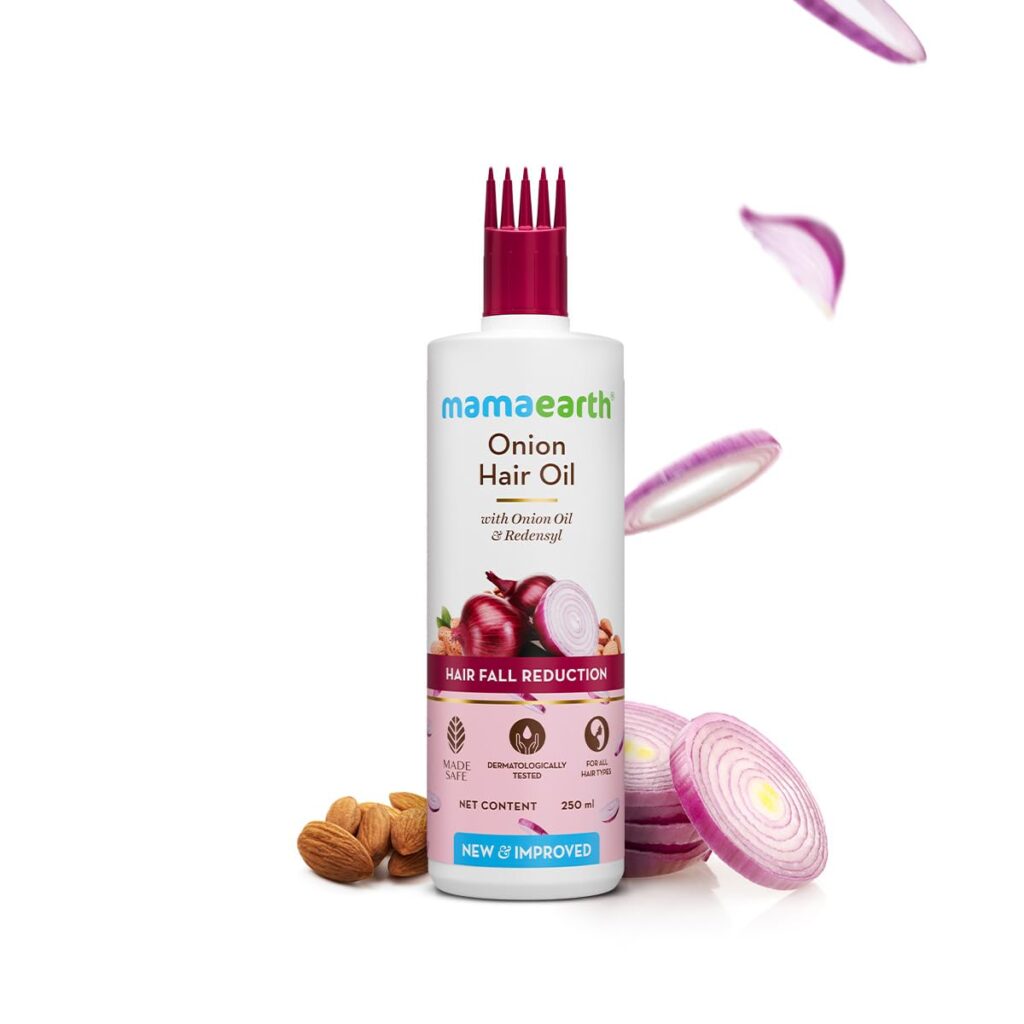
Best for: Strengthening weak, brittle hair
Mamaearth’s onion hair oil blends onion extract with nourishing almond oil to create a lightweight yet effective conditioning formula. The onion provides anti-inflammatory and antimicrobial benefits to the scalp, while almond oil penetrates the hair shaft to reduce protein loss and breakage. This product is perfect for those wondering how often they should oil their hair without ending up with greasy strands — it absorbs quickly and leaves hair feeling soft rather than weighed down. Best used 1–2 times per week for optimal results.
Why Choose It: Clean ingredients, cruelty-free, and trusted by Indian consumers for weak hair recovery.
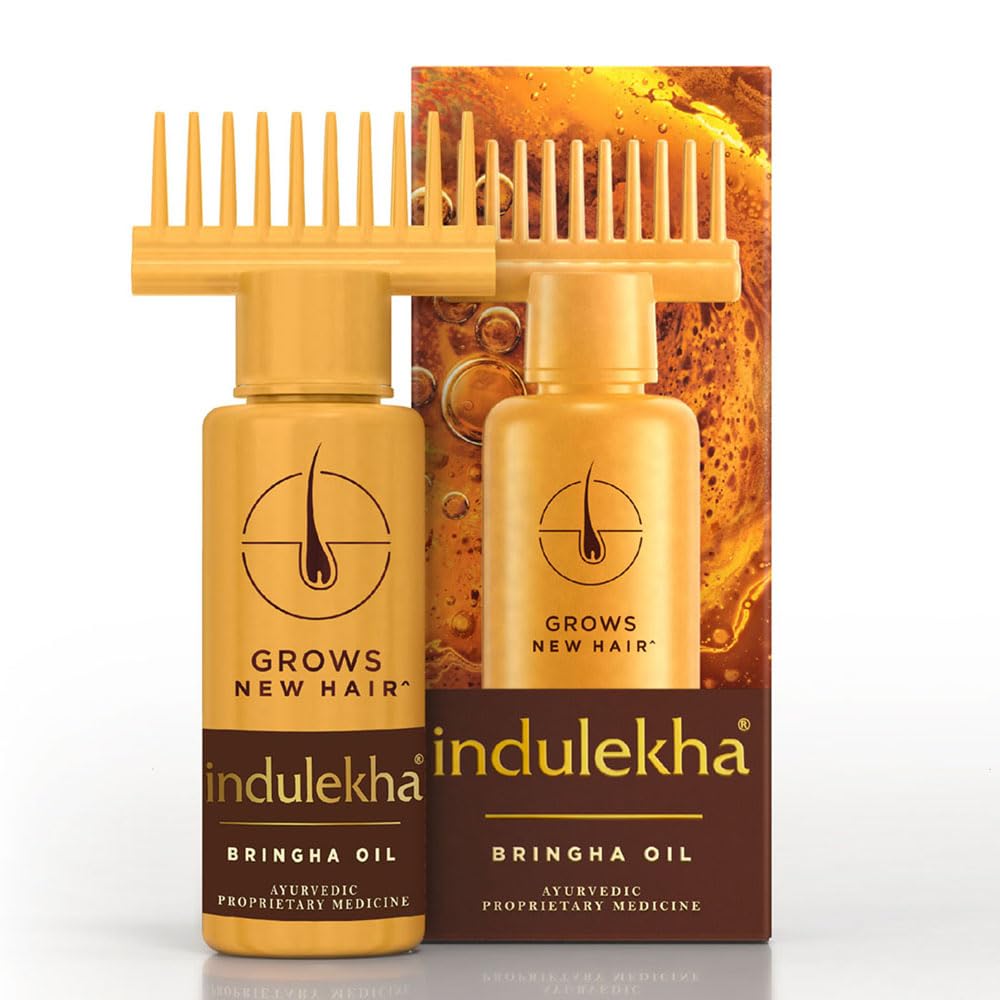
3. 🌿 Indulekha Bringha Oil
Best for: Serious hair loss treatment
Indulekha Bringha Oil is a premium Ayurvedic formulation anchored on bhringraj (also called “the king of herbs for hair”), a time-tested ingredient known for its hair regeneration properties. This oil is enriched with additional Ayurvedic herbs that nourish the scalp deeply and promote follicle health. If you’re serious about addressing hair loss and want to understand how often you should oil your hair for maximum therapeutic benefit, dermatologists often recommend this oil 2–3 times weekly. It’s thicker in consistency, so it’s best suited for pre-wash treatments rather than daily application.
Why Choose It: Ayurvedic authenticity, clinically tested, and recommended by trichologists for hair loss conditions.
4. 🍃 Khadi Natural Amla & Bhringraj Oil
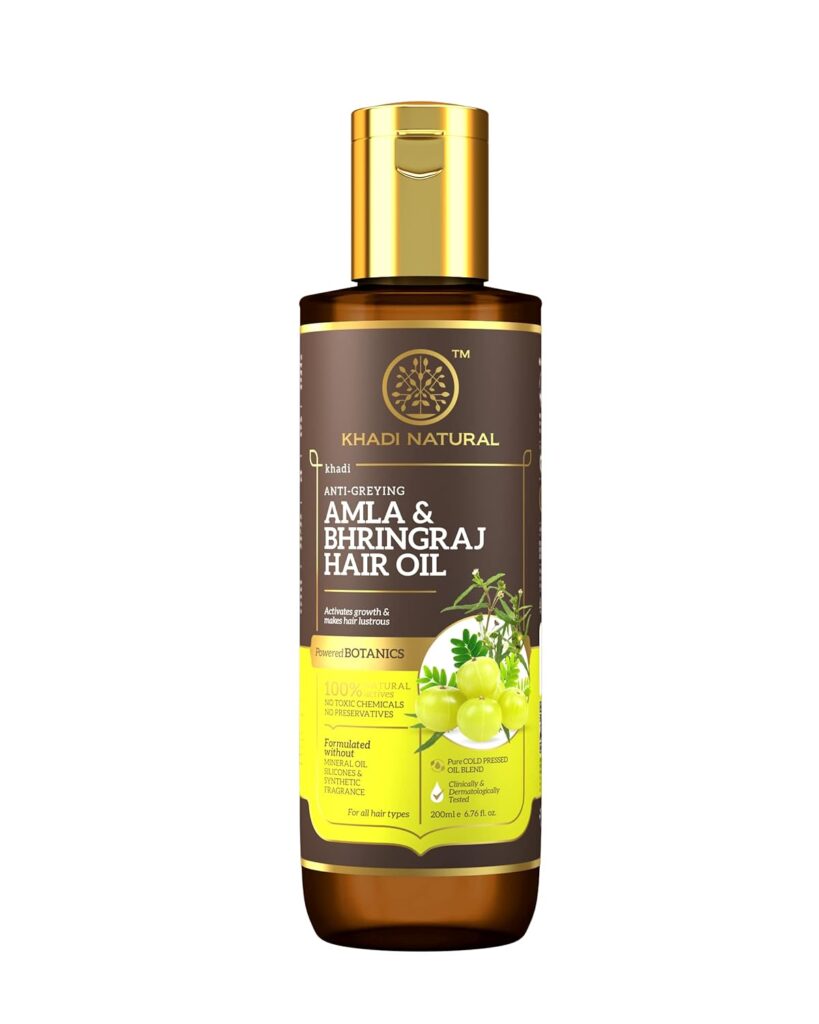
Best for: Natural, chemical-free hair strengthening
For those committed to a clean beauty approach, Khadi Natural’s Amla & Bhringraj Oil is a 100% chemical-free option that harnesses the dual power of amla (Indian gooseberry) and bhringraj. Amla is loaded with Vitamin C and antioxidants, which strengthen hair roots and enhance shine, while bhringraj addresses scalp health and promotes growth. This product answers the question of how often you should oil your hair with a holistic perspective — it works gently enough for weekly use without harsh side effects. Perfect for eco-conscious users seeking traditional Ayurvedic benefits without synthetic additives.
Why Choose It: Organic, cruelty-free, eco-friendly packaging, and authentically Ayurvedic formulation.
5. 💛 Bajaj Almond Drops Hair Oil
Best for: Daily light nourishment and maintenance
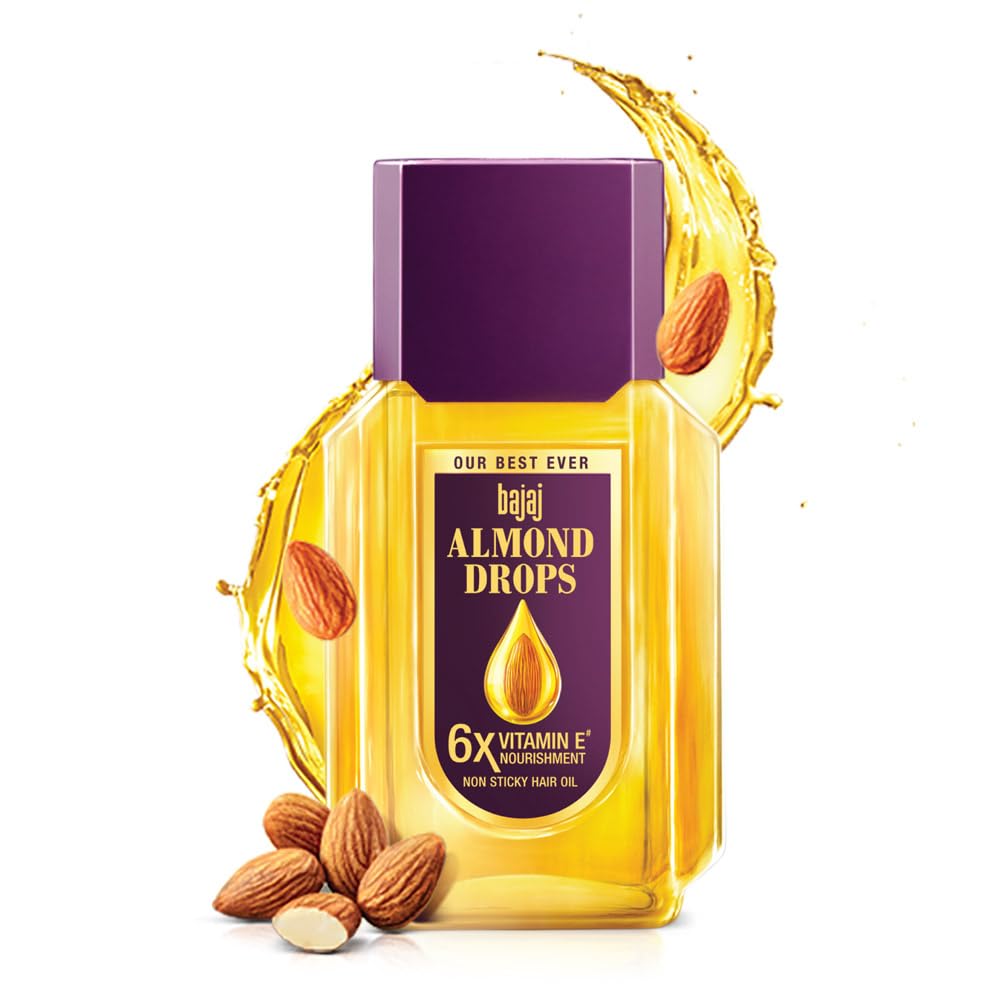
Bajaj Almond Drops is the go-to choice for those seeking a lightweight, non-sticky daily hair oil. With pure almond oil as its base, this product provides consistent nourishment without the heavy feel of thicker oils. It’s ideal for people asking “how often should you oil your hair” when they have normal to slightly oily scalps — the light formula makes it suitable for 1–2 applications per week without causing buildup. The non-sticky formula absorbs quickly, making it perfect for pre-wash treatments or even light scalp massages before bed.
Why Choose It: Budget-friendly, lightweight texture, quick absorption, and suitable for all hair types.
How to Oil Your Hair: A Step-by-Step Guide
Knowing how often to oil your hair is only half the equation — how you oil matters just as much. Follow this expert-approved technique for the best results:
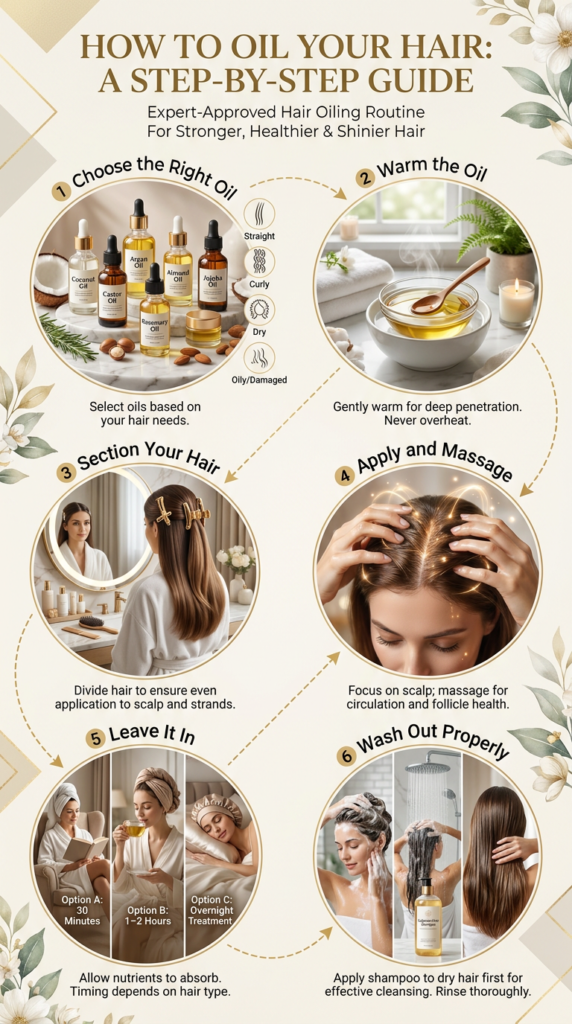
Step 1: Choose the Right Oil Select an oil suited to your hair type and concern (refer to the sections above). For deeper conditioning, you can blend two oils — for example, castor oil (for thickness) mixed with coconut oil (for penetration).
Step 2: Warm the Oil Gently Pour a small amount of oil into a bowl and warm it by placing the bowl in hot water for 2–3 minutes. Warm oil penetrates the scalp and shaft more effectively than cold oil. Do not microwave or overheat.
Step 3: Section Your Hair Divide your hair into 4–6 sections using clips. This ensures even distribution of the oil, especially across the scalp.
Step 4: Apply and Massage Using your fingertips (not nails), apply oil directly to the scalp in each section. Massage using circular motions for 5–10 minutes. This stimulates blood circulation and aids absorption. Work the remaining oil down the lengths and ends.
Step 5: Leave It In
- Minimum: 30 minutes
- Ideal: 1–2 hours
- Deep conditioning: Overnight (cover with a soft shower cap or silk scarf)
Step 6: Wash Out Properly. Apply shampoo directly to dry, oiled hair before adding water. This helps emulsify the oil more effectively. Rinse, then shampoo again with water. Avoid harsh shampoos; use a sulphate-free formula to prevent over-stripping.
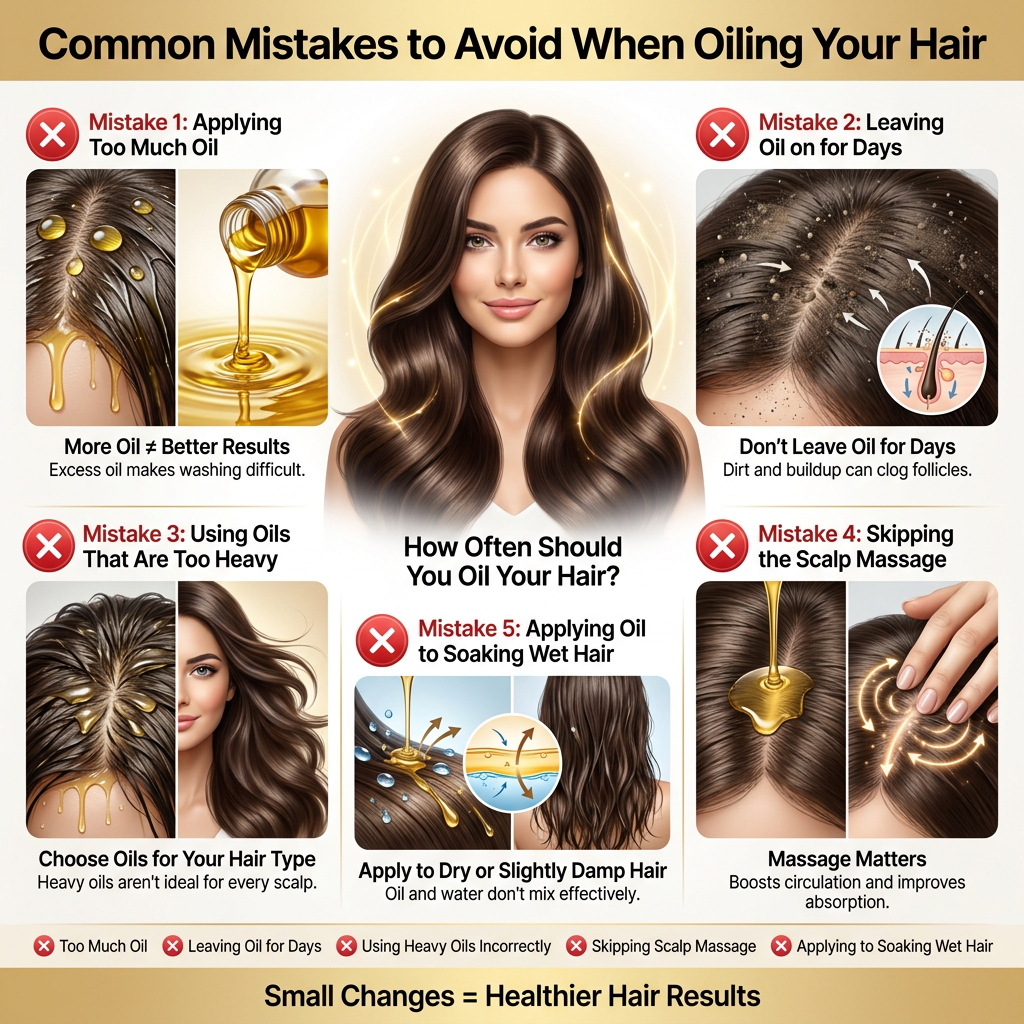
Common Mistakes to Avoid When Oiling Your Hair: How Often Should You Oil Your Hair?
Even with the best intentions, these mistakes can reduce the effectiveness of your oiling routine:
- ❌ Applying too much oil — more is not better; it just means harder washout
- ❌ Leaving oil on for days without washing — this attracts dirt and can clog follicles
- ❌ Using oils that are too heavy for your scalp type
- ❌ Skipping the scalp massage — application without massage misses the circulatory benefit
- ❌ Applying oil to soaking wet hair — oil and water repel each other; apply to slightly damp or dry hair
Conclusion: How Often Should You Oil Your Hair?
So, how often should you oil your hair? The most honest answer is: it depends – but a minimum of once a week is a solid starting point for virtually every hair type. From there, adjust based on your specific scalp condition, hair texture, lifestyle, and concerns.
The most valuable takeaway from this guide is that consistency often beats intensity. Oiling your hair once a week, using the right oil and technique, will deliver far better results over time than an intense overnight treatment done once a month.
Treat hair oiling not as a chore, but as a ritual self-care. Set aside time for it, be patient with the process, and let the results speak for themselves.
❓ Frequently Asked Questions (FAQ): How Often Should You Oil Your Hair?
Q1. Can I oil my hair every day?
Daily oiling is generally not recommended, especially for individuals with oily scalps. It can lead to product buildup, clogged follicles, and even increased hair fall. Stick to 1–3 times per week, depending on your hair type.
Q2. Is it better to oil hair before or after washing?
Always oil before washing (pre-wash treatment). Oiling after washing can leave a greasy residue, weigh hair down, and may attract dust and pollutants.
Q3. Can oiling cause hair fall?
Oiling itself does not cause hair fall. However, if you apply oil roughly, tug at knots, or leave oil on for too long without washing, the detangling process post-wash can lead to shedding. Always be gentle.
Q4. Which oil is best for hair growth?
Rosemary oil has strong clinical evidence for promoting hair growth, comparable to minoxidil in some studies. Bhringraj oil and castor oil are also time-tested Ayurvedic options for growth and thickness.
Q5. How long should I leave oil in my hair?
At a minimum, 30 minutes before washing. For dry or damaged hair, leaving it on for 1–2 hours or overnight yields better results.
Q6. Can I oil my hair if I have dandruff?
Yes, but be selective. Use antifungal oils such as neem oil or tea tree oil-based blends, and limit oiling to once a week to avoid worsening fungal overgrowth.
Q7. Does oiling help with split ends?
Oiling can temporarily seal and smooth split ends, improving their appearance. However, the only permanent solution for split ends is trimming.
Q8. What is the best time of day to oil hair?
Nighttime oiling (followed by a wash the next morning) is ideal, as it allows the oil to work through a full sleep cycle without time pressure. If overnight oiling is not practical, at least 1–2 hours before your shower works well too.