
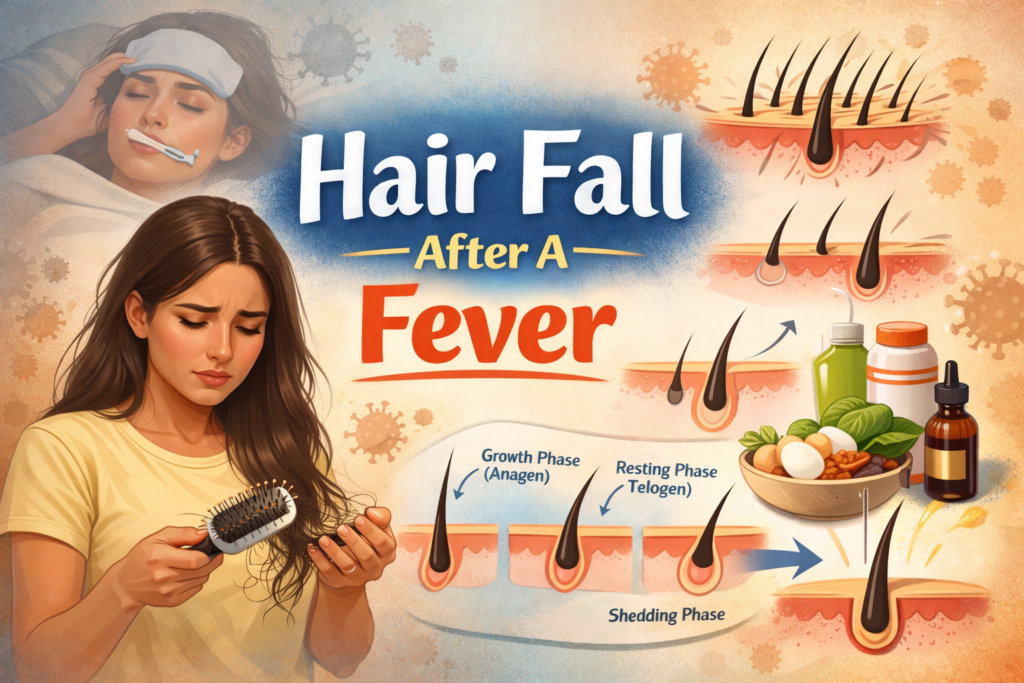
Experiencing hair fall after a fever can be an alarming and unexpected side effect of illness recovery. While fever itself is a natural immune response that helps fight infections, many people are surprised to discover that significant hair loss can occur weeks or even months after their temperature returns to normal. This comprehensive guide explores the science behind post-fever hair loss, its duration, underlying causes, and evidence-based strategies for recovery.
Table of Contents
Understanding the Connection Between Fever and Hair Loss
The relationship between hair fall after a fever isn’t immediately obvious, as the hair loss typically doesn’t occur during the illness itself. Instead, this delayed reaction happens due to the profound physiological stress that fever places on the body. When your body temperature rises significantly, it triggers a cascade of stress responses that can temporarily disrupt the normal hair growth cycle.
Hair follicles are among the most metabolically active structures in the human body, making them particularly sensitive to systemic stress. During a fever, the body redirects energy and resources away from “non-essential” functions like hair production to focus on fighting infection and maintaining vital organ function. This biological prioritisation can lead to what dermatologists call “telogen effluvium” – a temporary form of hair loss that becomes noticeable weeks after the triggering event.
The Science Behind Post-Fever Hair Loss
Hair Growth Cycle Basics
To understand hair fall after fever, it’s essential to grasp the normal hair growth cycle. Human hair grows in three distinct phases:
- Anagen Phase (Growth): Lasting 2-7 years, during which hair actively grows
- Catagen Phase (Transition): A brief 2-3 week period when growth slows
- Telogen Phase (Rest): A 2-3 month resting period before the hair naturally sheds
Under normal circumstances, approximately 85-90% of hair follicles are in the anagen phase, with only 10-15% in telogen. However, when the body experiences significant stress from fever, a much larger percentage of follicles can prematurely enter the telogen phase.
Physiological Stress Response
During a fever, several biological mechanisms contribute to future hair loss:
- Elevated cortisol levels: Stress hormones can disrupt the hair growth cycle
- Nutrient diversion: The body redirects proteins and minerals away from hair follicles
- Inflammatory responses: Cytokines released during illness can affect follicle function
- Dehydration and poor nutrition: Common during illness, these factors compound hair follicle stress
Duration of Hair Fall After Fever
One of the most common concerns about hair fall after a fever relates to timing and duration. Understanding the typical timeline can help manage expectations and reduce anxiety about this temporary condition.
Onset Timeline
Hair loss following a fever typically follows a predictable pattern:
- 2-4 weeks post-fever: Initial signs of increased hair shedding may begin
- 6-12 weeks post-fever: Peak hair loss period, when shedding becomes most noticeable
- 3-6 months post-fever: Gradual reduction in hair loss and beginning of recovery
Peak Shedding Period
The most pronounced hair fall after a fever usually occurs 2-3 months after the illness. During this peak period, individuals may lose 100-300 hairs per day (compared to the normal 50-100 hairs daily). This delayed onset often confuses people, as they may not initially connect their hair loss to a fever they experienced months earlier.
Recovery Duration
Complete recovery from post-fever hair loss typically takes:
- 3-6 months: For hair shedding to return to normal levels
- 6-12 months: For noticeable regrowth and improved hair density
- 12-18 months: For full restoration of pre-illness hair volume and thickness
It’s important to note that these timeframes can vary based on individual factors such as overall health, age, nutritional status, and the severity of the original illness.
Underlying Causes and Risk Factors
Primary Biological Mechanisms
Several interconnected factors contribute to hair fall after a fever:
Protein Synthesis Disruption: Fever increases metabolic demands while simultaneously reducing protein synthesis efficiency. Since hair is primarily composed of keratin protein, this disruption directly impacts hair follicle function.
Mineral and Vitamin Depletion: Illness often leads to poor appetite, reduced absorption, and increased nutrient losses. Key nutrients for hair health – including iron, zinc, biotin, and vitamins D and B12 – may become depleted during and after a fever.
Hormonal Fluctuations: The stress of illness can temporarily alter hormone levels, including thyroid hormones and sex hormones, which play crucial roles in maintaining healthy hair growth.
Risk Factors for Increased Hair Loss
Certain individuals may experience more pronounced hair fall after a fever:
- Age: Older adults may have slower recovery due to reduced regenerative capacity
- Pre-existing nutritional deficiencies: Those already lacking essential nutrients face compounded effects
- Chronic health conditions: Diabetes, autoimmune disorders, and thyroid conditions can worsen hair loss
- Medications: Some fever-reducing medications and antibiotics may contribute to hair thinning
- Illness severity: Higher fevers and longer illness duration increase the likelihood of significant hair loss
Common Triggering Illnesses
While any fever can potentially cause hair loss, certain conditions are more commonly associated with hair fall after fever:
- COVID-19: Reports of post-COVID hair loss have been particularly widespread
- Influenza: Severe flu can trigger significant delayed hair shedding
- Pneumonia: The systemic stress of lung infections often affects hair follicles
- Typhoid fever: High, prolonged fevers characteristic of typhoid frequently cause hair loss
- Malaria: The cyclical fevers and systemic inflammation can disrupt hair growth
Practical Management and Treatment Strategies
Immediate Post-Fever Care
The weeks immediately following a fever are crucial for minimising hair fall after fever. Focus on these foundational strategies:
Nutritional Recovery: Prioritise protein-rich foods, as hair follicles require adequate amino acids for keratin production. Include Spare flesh, fish, eggs, legumes, and dairy products in your diet. Aim for at least 1.2-1.6 grams of protein per kilogram of body weight during recovery.
Hydration Optimisation: Proper hydration supports nutrient transport to hair follicles and helps maintain scalp health. Aim for 8- 10 spectacles of water daily, conforming to climate and exertion position.
Gentle Hair Care: Minimise mechanical stress on already vulnerable hair follicles by using wide-tooth combs, avoiding tight hairstyles, and reducing heat styling. Switch to sulphate-free shampoos and deep conditioning treatments.
Nutritional Interventions
Specific nutrients play vital roles in preventing and treating hair fall after a fever:
Iron: Essential for oxygen transport to hair follicles. Include foods high in iron, such as lentils, spinach, and red meat. Consider supplementation if blood tests reveal a deficiency.
Zinc: Critical for hair tissue growth and repair. Sources include oysters, pumpkin seeds, and chickpeas. The recommended daily allowance is 8-11mg for adults.
Biotin and B-Vitamins: Support keratin infrastructure. Found in eggs, nuts, and whole grains. B-complex supplements may be beneficial during recovery.
Vitamin D: Plays a part in hair follicle cycling. Moderate sun exposure and foods like fatty fish can help, though supplementation may be necessary in deficient individuals.
Topical Treatments
Several topical interventions may help reduce hair fall after a fever:
Minoxidil: The only FDA-approved topical treatment for hair loss, available over-the-counter in 2% and 5% concentrations. While primarily studied for androgenetic alopecia, it may help with telogen effluvium recovery.
Essential Oil Treatments: Rosemary oil has shown promise in clinical studies for promoting hair growth. Massage diluted rosemary oil into the scalp 2-3 times weekly.
Scalp Massage: Regular gentle massage can improve blood circulation to hair follicles. Use fingertips to apply light pressure in circular motions for 5-10 minutes daily.
Medical Interventions
In cases of severe hair fall after fever, medical intervention may be warranted:
Blood Testing: Comprehensive panels can identify underlying deficiencies or hormonal imbalances contributing to hair loss. Tests typically include complete blood count, iron studies, thyroid function, and vitamin levels.
Dermatological Consultation: A dermatologist can differentiate between telogen effluvium and other forms of hair loss, ensuring appropriate treatment.
Prescription Treatments: In severe cases, dermatologists might prescribe topical corticosteroids or other specialised treatments to support follicle recovery.
Prevention Strategies
During Illness
While experiencing fever, certain measures can help minimise future hair fall after fever:
- Maintain adequate nutrition even with reduced appetite
- Stay hydrated to support overall physiological function
- Take prescribed medications as directed to reduce illness duration
- Get adequate rest to support immune function and reduce stress
General Hair Health
Long-term strategies for maintaining resilient hair that can better withstand illness stress:
- Regular exercise to improve circulation and reduce stress
- A balanced diet rich in proteins, vitamins, and minerals
- Stress management through meditation, yoga, or other relaxation techniques
- Regular health check-ups to identify and address deficiencies early
When to Seek Professional Help
While hair fall after a fever is typically temporary and self-resolving, certain situations warrant professional medical attention:
- Persistent hair loss beyond 6 months post-fever
- Patchy or uneven hair loss patterns (suggesting other conditions)
- Scalp irritation, inflammation, or infection
- Rapid or severe hair loss affecting more than 50% of hair volume
- Associated symptoms like unexplained weight changes, fatigue, or hormonal symptoms
Recovery Expectations and Timeline
Understanding realistic expectations for recovery from hair fall after a fever is crucial for managing anxiety and maintaining perspective during the healing process.
Most individuals can expect to see initial improvement in hair shedding within 3-4 months after the fever, with noticeable regrowth beginning around month 6. Complete recovery typically occurs within 12-18 months, though this timeline can vary based on individual factors and the interventions employed.
During recovery, it’s normal to notice that new hair growth may initially appear finer or have a different texture than before. This is temporary, and hair typically returns to its pre-illness characteristics as the follicles fully recover.

Recommended Product for Hair Fall After Fever
Top Pick: Traya Hair Actives Serum
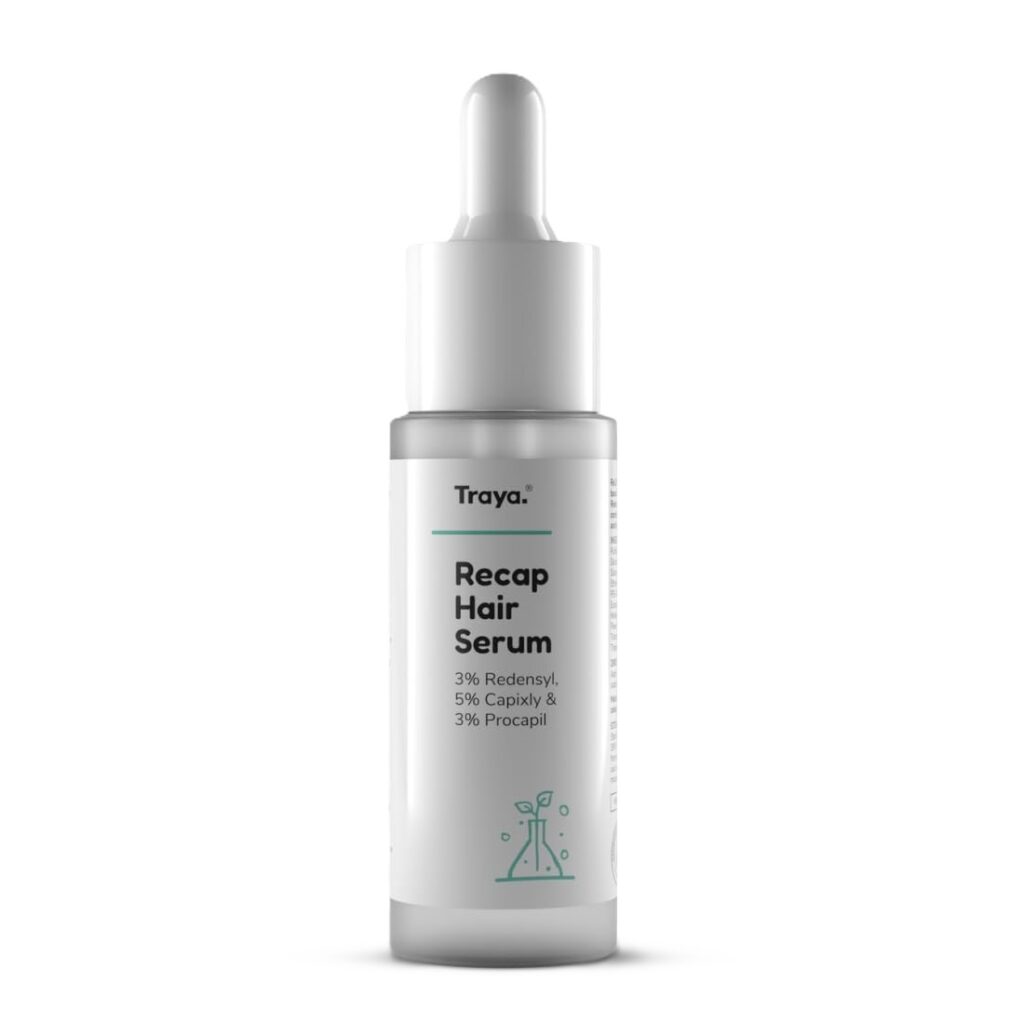
- Why recommended: Contains Redensyl, Procapil, and Capixyl—clinically backed actives that target follicle reactivation and reduce shedding post-stress, like fever. Traya’s holistic approach (Ayurveda + science) suits telogen effluvium recovery, with 8L+ users reporting results[6].
- Key benefits: Promotes regrowth in 3 months; non-greasy; suitable for men/women.
- Where to buy: Traya.health, Amazon.in, Nykaa.
- Usage: Apply 1-2ml to scalp nightly; massage in.
- User ratings: 4.5+ stars; Ayush-certified elements.
Gentle, Evidence-Informed Alternatives
- Rosemary Oil (1–2% diluted)
- Mix 1–2 drops per teaspoon of a carrier oil (e.g., jojoba) and massage into the scalp 3–4 times/week; shampoo after 30–60 minutes.
- Early studies suggest it may support growth and scalp health; it’s a gentle option if you prefer non-drug approaches.
- Protein-Rich Nutrition + Multinutrient Support
- If labs show deficiencies, targeted supplements can help:
- Iron (only if ferritin is low): e.g., Slow-Release Ferrous Sulphate.
- Vitamin D, Zinc, B12/B-Complex: as indicated by blood tests.
- Tip: Hair is keratin (protein). Aim for protein at each meal and stay well-hydrated to support recovery from hair fall after a fever.
- If labs show deficiencies, targeted supplements can help:
- Gentle Shampoo/Scalp Care
- Look for fragrance-free, sulphate-free formulas (e.g., Vanicream Free & Clear, CeraVe Hydrating Shampoo) to minimise breakage and scalp irritation during recovery.
- If you have dandruff or scalp inflammation, using a ketoconazole 1% shampoo 1–2x/week can help calm the scalp.
Conclusion
Hair fall after a fever is a common but temporary condition that affects many people following a significant illness. Understanding the biological mechanisms behind this delayed hair loss can help reduce anxiety and guide appropriate treatment decisions. While the experience can be distressing, the vast majority of individuals recover completely with time and proper care.
The key to managing post-fever hair loss lies in patience, proper nutrition, gentle hair care practices, and addressing any underlying deficiencies that may have developed during illness. For most people, this condition resolves naturally within 6-18 months, leaving no permanent effects on hair health or appearance.
If you’re experiencing persistent or severe hair fall after a fever, don’t hesitate to consult with healthcare professionals who can provide personalised guidance and rule out other potential causes. With proper understanding and care, you can support your body’s natural recovery process and restore your hair to its pre-illness health and vitality.
Frequently Asked Questions (FAQ) — Hair Fall After A Fever
1. What is “hair fall after fever”?
“Hair fall after fever” refers to increased hair shedding that commonly occurs weeks to months following a febrile illness. This is usually a form of telogen effluvium, a temporary shift of hair follicles into the resting (telogen) phase caused by the physiological stress of fever.
2. When does hair loss start after a fever?
Hair loss typically begins 2–4 weeks after the fever, with the most noticeable shedding occurring around 6–12 weeks post-illness.
3. How long does hair fall after a fever usually last?
Most people see a reduction in shedding within 3–6 months and noticeable regrowth by 6–12 months. Full recovery to pre-illness hair density often occurs within 12–18 months, though timelines vary by individual.
4. Is hair fall after a fever permanent?
No — in the vast majority of cases, post-fever hair loss is temporary. Follicles typically resume a normal growth cycle once the body recovers. Persistent or unusual patterns of loss should be evaluated by a healthcare professional.
5. How much hair loss is normal during this condition?
During peak shedding, some people may lose 100–300 hairs per day (normal daily shedding is ~50–100). Sudden, massive loss or large bald patches are less typical and require medical assessment.
6. Which illnesses most commonly trigger hair fall after fever?
Severe systemic infections that cause high or prolonged fever are common triggers. Examples include COVID-19, influenza, pneumonia, typhoid, and malaria. Any illness causing significant physiological stress may precipitate telogen effluvium.
7. What causes hair to fall after a fever?
Key mechanisms include disruption of the hair growth cycle (more follicles entering telogen), elevated stress hormones, nutrient depletion (iron, zinc, vitamins), inflammation, dehydration, and hormonal imbalances resulting from the illness.
8. Can medications for fever cause hair loss?
Some medications (certain antibiotics, antivirals, or other drugs) have been associated with hair thinning in susceptible individuals. However, the fever and the body’s stress response are more commonly responsible for post-illness hair fall than short-term antipyretics.
9. Should I change my hair care routine after a fever?
Yes. Use gentle hair care practices: avoid tight hairstyles, minimise heat styling and chemical treatments, use mild sulphate-free shampoos, detangle with a wide-tooth comb, and avoid vigorous towel rubbing. A gentle scalp massage can promote circulation.
10. Are supplements helpful for hair fall after a fever?
Supplements can help if you have documented deficiencies. Common supportive nutrients include iron (if deficient), zinc, biotin, vitamin D, and B-complex vitamins. Always check with a healthcare provider and ideally confirm deficiency with blood tests before starting supplements.

Pingback: Hair Fall in Winter: Causes, Symptoms, and Best Treatments (Dermatologist-Backed Guide) of 2026 -