
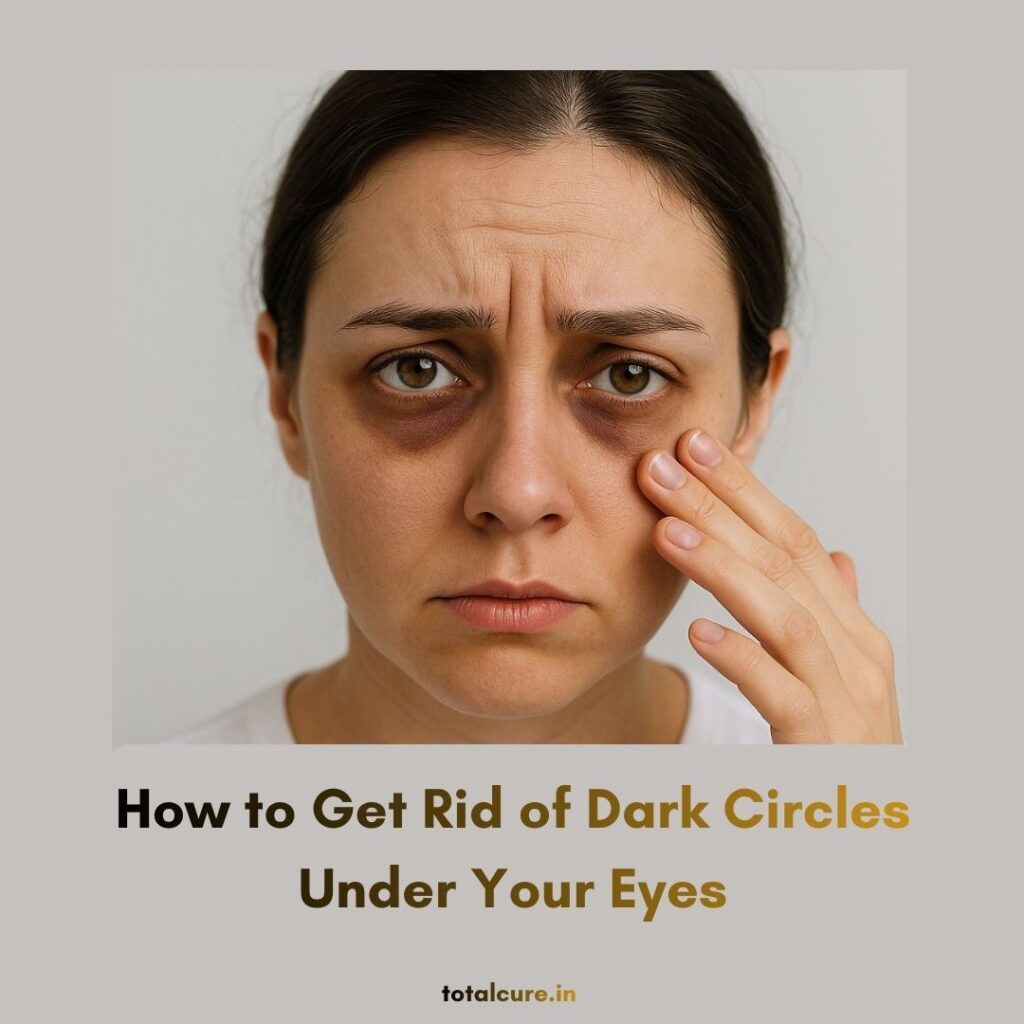
Dark circles under the eyes are one of the most common beauty concerns affecting people of all ages. Whether you’re dealing with stubborn shadows that make you look tired or puffy bags that seem to appear overnight, learning how to get rid of dark circles under your eyes can significantly ameliorate your appearance and boost your confidence.. This comprehensive guide will explore everything you need to know about dark circles, from their underlying causes to proven treatment methods that actually work.
Table of Contents
Understanding Dark Circles: What Causes Them?
Before diving into how to get rid of dark circles under your eyes, it’s essential to understand what causes these unwelcome shadows in the first place. Dark circles can result from various factors, and identifying the root cause is crucial for selecting the most effective treatment approach.
1. Genetics and Hereditary Factors
One of the primary reasons people develop dark circles is genetics. If your parents or grandparents had prominent under-eye circles, you’re more likely to develop them too. Hereditary factors can influence:
- Skin thickness around the eyes
- Blood vessel visibility
- Bone structure and eye socket depth
- Natural pigmentation patterns
2. Age-Related Changes
As we age, the skin around our eyes naturally becomes thinner and loses collagen and elastin. This process makes blood vessels more visible, creating the appearance of dark circles. Additionally, the fat pads under the eyes may shift or diminish, creating shadows that contribute to the problem.
3. Lifestyle Factors
Several lifestyle choices can significantly impact the appearance of dark circles:
- Sleep deprivation: Lack of adequate sleep causes blood vessels to dilate, making them more visible
- Poor diet: Nutritional deficiencies and excessive salt intake can worsen dark circles
- Dehydration: Insufficient water intake can make skin appear dull and sunken
- Excessive screen time: Eye strain from prolonged computer or phone use can contribute to the problem
- Smoking and alcohol consumption: These habits can affect circulation and skin health
4. Medical Conditions
Certain health conditions can contribute to dark circles, including:
- Allergies (particularly seasonal allergies)
- Thyroid disorders
- Anemia
- Kidney problems
- Liver issues
Types of Dark Circles
Understanding the different types of dark circles is crucial when learning how to get rid of dark circles under your eyes effectively. Each type requires a different treatment approach:
Pigmented Dark Circles
These appear as brown or black discoloration and are caused by excess melanin production. They’re more common in people with darker skin tones and are often hereditary.
Vascular Dark Circles
These appear blue or purple and result from visible blood vessels beneath the thin eye skin. They’re often more noticeable in fair-skinned individuals.
Structural Dark Circles
These are caused by the natural anatomy of the face, including deep-set eyes or prominent eye bags that create shadows.
Mixed Dark Circles
Many people experience a combination of the above types, requiring a multi-faceted treatment approach.
Immediate Solutions: Quick Fixes for Dark Circles
When you need to know how to get rid of dark circles under your eyes quickly, these immediate solutions can provide temporary relief:
Cold Compress Treatment
Applying a cold compress can help constrict blood vessels and reduce the appearance of dark circles:
- Use cold cucumber slices, chilled tea bags, or ice wrapped in a cloth
- Apply for 10-15 minutes
- Repeat 2-3 times daily for best results
Caffeine-Based Eye Creams
Caffeine helps constrict blood vessels and reduce puffiness. Look for eye creams containing:
- Caffeine
- Retinol
- Vitamin C
- Hyaluronic acid
- Peptides
Makeup Concealment Techniques
Strategic makeup application can effectively camouflage dark circles:
- Use a color corrector (peach or orange for dark skin, pink or yellow for fair skin)
- Apply concealer one shade lighter than your skin tone
- Set with translucent powder
- Use highlighting techniques to brighten the under-eye area
Natural Remedies and Home Treatments
Many people prefer natural approaches when learning how to get rid of dark circles under your eyes. These home remedies can be effective, especially when used consistently:
1. Tea Bag Treatments
Different teas offer various benefits:
- Green tea bags: Rich in antioxidants and caffeine
- Chamomile tea bags: Anti-inflammatory properties
- Black tea bags: Contains caffeine and tannins
Application method:
- Steep tea bags in hot water for 3-5 minutes
- Remove and chill in refrigerator for 20 minutes
- Place over closed eyes for 10-15 minutes
- Rinse with cool water
2. Natural Oil Treatments
Several natural oils can help improve the appearance of dark circles:
- Almond oil: Rich in vitamin E and K
- Coconut oil: Moisturizing and anti-inflammatory
- Argan oil: Contains vitamin E and essential fatty acids
- Rose hip oil: High in vitamin C and antioxidants
3. Cucumber and Potato Slices
These vegetables contain natural bleaching agents and anti-inflammatory compounds:
- Cut into thick slices
- Chill in refrigerator
- Apply to eyes for 15-20 minutes daily
4. Aloe Vera Gel
Fresh aloe vera gel can soothe the delicate eye area and provide hydration. Apply a thin layer before bedtime and gently massage in circular motions.
Professional Treatment Options
For those seeking more dramatic results in how to get rid of dark circles under your eyes, professional treatments offer advanced solutions:
1. Chemical Peels
Light chemical peels using glycolic acid or lactic acid can help improve skin texture and reduce pigmentation. Professional peels are more effective than over-the-counter options.
2. Laser Treatments
Various laser treatments can address dark circles:
- IPL (Intense Pulsed Light): Targets pigmentation
- Fractional laser: Improves skin texture and stimulates collagen
- Q-switched lasers: Specifically target dark pigmentation
3. Dermal Fillers
Hyaluronic acid fillers can address structural dark circles by:
- Adding volume to hollow areas
- Smoothing the transition between the eye and cheek
- Reducing shadow formation
4. Platelet-Rich Plasma (PRP) Therapy
PRP treatments use your body’s own growth factors to stimulate collagen production and improve skin quality around the eyes.
5. Microneedling
This treatment creates micro-injuries that stimulate the skin’s natural healing process, promoting collagen production and improving skin texture.
Skincare Routine for Dark Circles
Developing a consistent skincare routine is essential when learning how to get rid of dark circles under your eyes. Here’s a comprehensive approach:
Morning Routine
- Gentle cleanser: Use a mild, fragrance-free cleanser
- Vitamin C serum: Apply a stable vitamin C formula
- Eye cream: Use a product with caffeine or peptides
- Moisturizer: Choose a lightweight, hydrating formula
- Sunscreen: Always apply SPF 30 or higher
Evening Routine
- Makeup removal: Use a gentle eye makeup remover
- Double cleanse: Remove all traces of makeup and sunscreen
- Treatment products: Apply retinol or prescription treatments
- Eye cream: Use a nourishing nighttime eye cream
- Face moisturizer: Apply a hydrating nighttime moisturizer
Key Ingredients to Look For
When selecting products for how to get rid of dark circles under your eyes, look for these proven ingredients:
| Ingredient | Benefits | Best For |
| Retinol | Stimulates collagen, improves skin texture | Aging-related dark circles |
| Vitamin C | Antioxidant protection, brightening | Pigmented dark circles |
| Caffeine | Constricts blood vessels, reduces puffiness | Vascular dark circles |
| Niacinamide | Improves skin barrier, reduces inflammation | All types |
| Hyaluronic acid | Intense hydration, plumping effect | Dehydrated skin |
| Peptides | Stimulate collagen production | Aging-related concerns |
Lifestyle Changes for Long-Term Results
Sustainable lifestyle modifications are crucial for long-term success in how to get rid of dark circles under your eyes:
Sleep Optimization
- Maintain consistent sleep schedule: Aim for 7-9 hours nightly
- Create optimal sleep environment: Dark, cool, and quiet room
- Elevate your head: Use an extra pillow to prevent fluid accumulation
- Limit screen time: Avoid devices 1-2 hours before bedtime
Dietary Improvements
Nutrition plays a significant role in skin health:
- Increase antioxidant intake: Berries, leafy greens, citrus fruits
- Stay hydrated: Drink 8-10 glasses of water daily
- Reduce sodium: Limit processed foods and excess salt
- Include omega-3 fatty acids: Fish, walnuts, flaxseeds
- Take supplements: Consider vitamin C, vitamin K, and iron if deficient
Stress Management
Chronic stress can worsen dark circles through various mechanisms:
- Practice meditation or mindfulness
- Engage in regular exercise
- Maintain work-life balance
- Consider professional counseling if needed
Sun Protection
UV damage can worsen pigmentation and accelerate aging:
- Wear sunglasses with UV protection
- Apply broad-spectrum sunscreen daily
- Use wide-brimmed hats when outdoors
- During peak hours (10 AM to 4 PM), look for shade
When to Consult a Professional
While many methods exist for how to get rid of dark circles under your eyes, certain situations warrant professional consultation:
Medical Evaluation Needed
- Sudden onset of severe dark circles
- Dark circles accompanied by swelling or pain
- Changes in vision or eye function
- Suspected underlying medical conditions
Dermatological Consultation
- No improvement after 3-6 months of consistent treatment
- Desire for faster, more dramatic results
- Questions about appropriate treatments for your skin type
- Interest in professional procedures
Common Mistakes to Avoid
When learning how to get rid of dark circles under your eyes, avoid these common pitfalls:
1. Over-Treating the Area
The eye area is delicate and can become irritated with excessive treatment. Start slowly and gradually increase product use.
2. Ignoring Sun Protection
UV damage can worsen dark circles and counteract your treatment efforts.
3. Expecting Immediate Results
Most treatments require 6-12 weeks of consistent use to show significant improvement.
4. Using Harsh Products
Avoid products with strong fragrances, alcohol, or harsh chemicals around the eye area.
5. Not Addressing Underlying Causes
Treating symptoms without addressing root causes (like allergies or sleep issues) limits long-term success.
Creating Your Personal Treatment Plan
Developing an effective strategy for how to get rid of dark circles under your eyes requires a personalized approach:
Step 1: Identify Your Dark Circle Type
Examine your dark circles in natural light to determine whether they’re primarily pigmented, vascular, or structural.
Step 2: Assess Contributing Factors
Consider your lifestyle, genetics, age, and any underlying health conditions.
Step 3: Set Realistic Expectations
Understand that complete elimination may not be possible, but significant improvement is achievable with the right approach.
Step 4: Choose Your Treatment Methods
Select 2-3 complementary approaches (e.g., topical treatments, lifestyle changes, and professional procedures if needed).
Step 5: Create a Timeline
Plan for at least 3-6 months of consistent treatment to see significant results.
Step 6: Monitor Progress
Take regular photos and note improvements or any adverse reactions.
Prevention Strategies
Preventing dark circles is often easier than treating established ones. Here are key prevention strategies:
Daily Habits
- Remove makeup thoroughly every night
- Use a humidifier in dry environments
- Practice good posture to promote circulation
- Manage allergies proactively
- Stay consistent with your skincare routine
Long-Term Prevention
- Maintain a healthy weight
- Exercise regularly to improve circulation
- Don’t smoke or limit alcohol consumption
- Regular health check-ups to address underlying conditions
- Protect eyes from environmental damage
Best Products to Get Rid of Dark Circles Under Your Eyes: Top Indian Market Recommendations
Here are the most effective and readily available products in the Indian market specifically for treating dark circles under the eyes:
Budget-Friendly Options (Under ₹500)
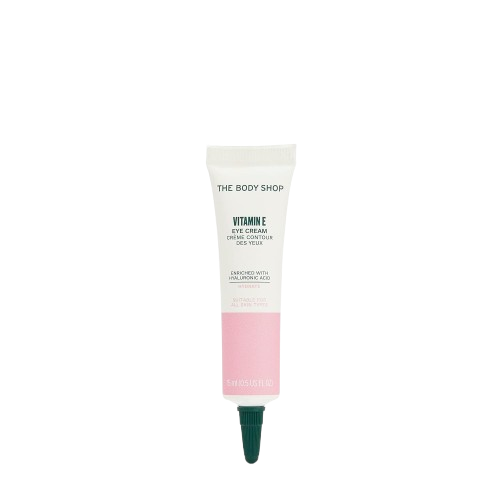
1. The Body Shop Vitamin E Eye Cream
- Price: ₹795 for 15ml
- Key Ingredients: Vitamin E, Wheatgerm oil
- Best For: Dry skin, early signs of aging
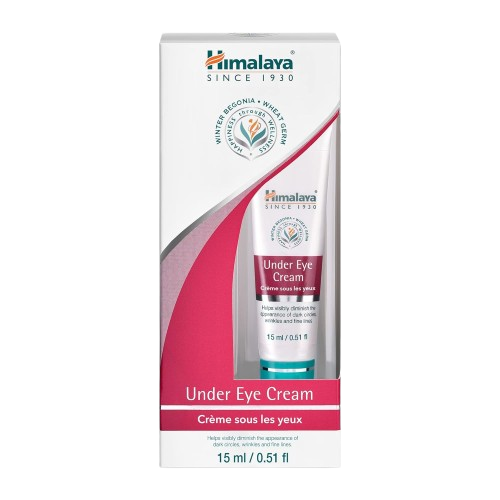
2. Himalaya Herbals Under Eye Cream
- Price: ₹140 for 15ml
- Key Ingredients: Cucumber, Licorice, Potato
- Best For: All skin types, natural ingredients preference
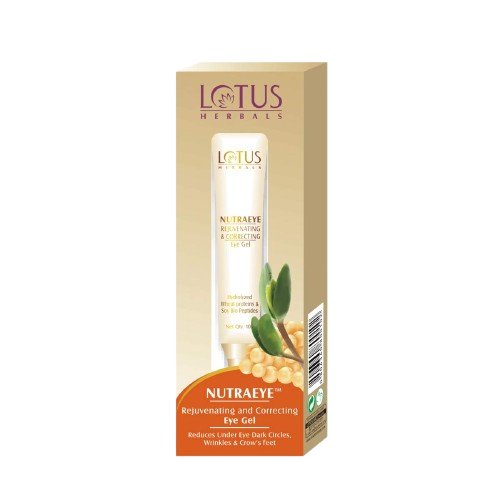
3. Lotus Herbals Nutranite Under Eye Cream
- Price: ₹295 for 15g
- Key Ingredients: Vitamin E, Alpha Hydroxy Acids
- Best For: Pigmented dark circles
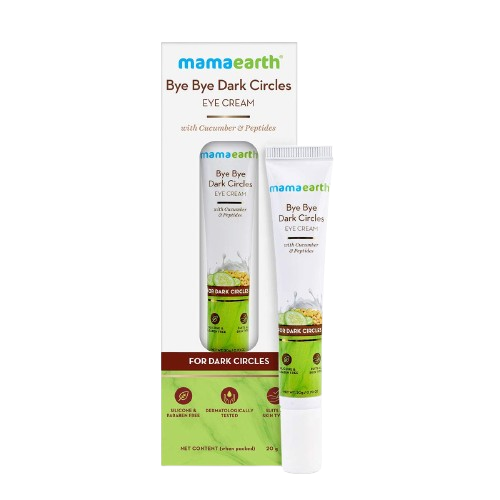
4. Mamaearth Bye Bye Dark Circles Eye Cream
- Price: ₹399 for 20ml
- Key Ingredients: Caffeine, Cucumber, Peptides
- Best For: Puffiness and dark circles
Mid-Range Products (₹500-₹2000)
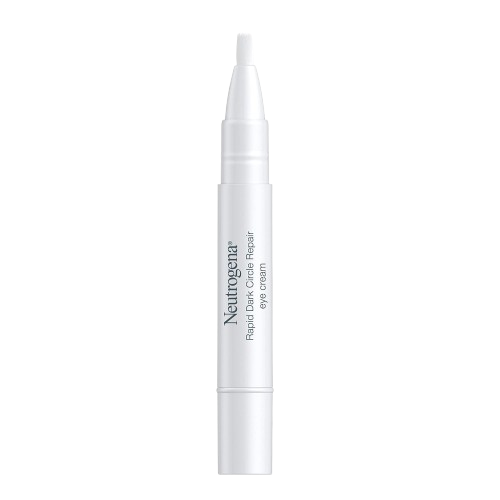
1. Neutrogena Rapid Dark Circle Repair Eye Cream
- Price: ₹999 for 15ml
- Key Ingredients: Glucose Complex, Vitamin C
- Best For: Visible results in 1 week
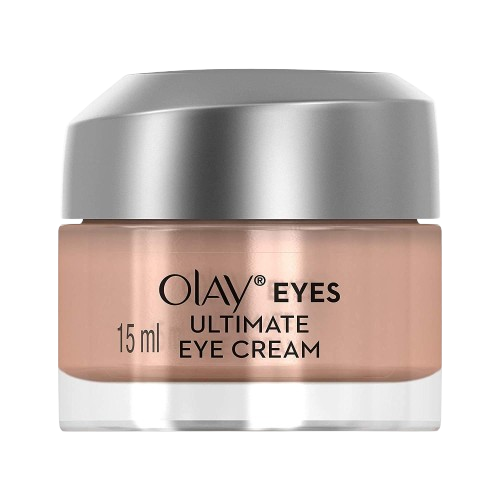
2. Olay Eyes Ultimate Eye Cream
- Price: ₹1,499 for 15ml
- Key Ingredients: Niacinamide, Peptides, Vitamin C
- Best For: Multiple eye concerns
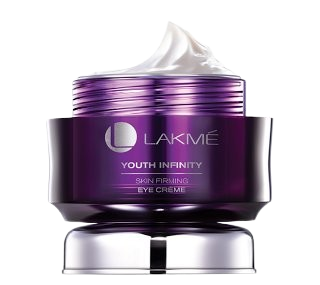
3. Lakme Absolute Youth Infinity Eye Cream
- Price: ₹1,400 for 15ml
- Key Ingredients: Insta-Collagen Boosters
- Best For: Aging-related dark circles
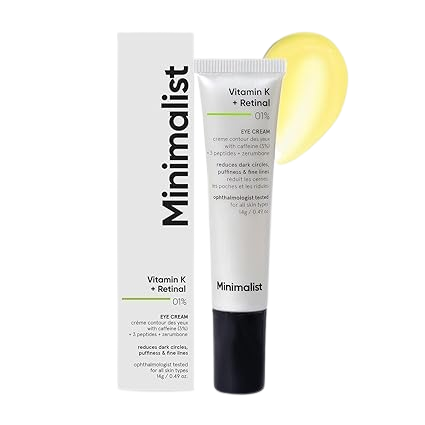
4. Minimalist Caffeine 5% + Hyaluronic Acid Eye Serum
- Price: ₹549 for 30ml
- Key Ingredients: Caffeine, Hyaluronic Acid
- Best For: Puffy eyes and dark circles
Conclusion
Learning how to get rid of dark circles under your eyes requires patience, consistency, and often a multi-faceted approach. While genetics and age play significant roles in the development of dark circles, numerous effective treatments and lifestyle modifications can dramatically improve their appearance.
The key to success lies in identifying the underlying causes of your dark circles and selecting appropriate treatments accordingly. Whether you choose natural remedies, over-the-counter products, professional treatments, or a combination of approaches, consistency is crucial for achieving lasting results.
Remember that how to get rid of dark circles under your eyes is not just about topical treatments—addressing lifestyle factors like sleep, nutrition, stress management, and sun protection plays an equally important role in achieving and maintaining brighter, healthier-looking eyes.
With the comprehensive strategies outlined in this guide, you now have the knowledge and tools necessary to tackle dark circles effectively. Start with the basics—improve your sleep, protect your skin from the sun, and establish a consistent skincare routine—then gradually incorporate additional treatments as needed. With time and dedication, you can achieve the bright, refreshed appearance you desire and boost your confidence in the process.
Frequently Asked Questions (FAQ)
1. What causes dark circles under the eyes?
Dark circles can be caused by genetics, thinning skin with age, visible blood vessels, pigmentation, allergies, lack of sleep, dehydration, poor diet, smoking, and certain medical conditions (anemia, thyroid issues). Often multiple factors contribute.
2. Can dark circles be completely removed?
Complete removal isn’t always possible, especially if genetics or bone structure are the main cause. However, most people can achieve significant reduction in color and puffiness with a combination of skincare, lifestyle changes, and professional treatments.
3. How long does it take to see improvement?
Mild cases may improve within 2–6 weeks with consistent topical care and lifestyle changes. More stubborn pigmentary or structural dark circles can take several months or require professional procedures for noticeable change.
4. Which ingredient should I look for in eye products?
Useful ingredients include vitamin C (brightening), retinol (collagen stimulation), niacinamide (barrier repair/brightening), caffeine (de-puffing), hyaluronic acid (hydration), peptides (firming), and vitamin K (helps with vascular discoloration).
5. Are natural remedies effective?
Natural remedies (cold compresses, cucumber/tea bags, almond oil, aloe vera) can reduce puffiness and temporarily brighten the area for some people. They often help as supportive care but may be less effective on deep pigmentation or structural hollows.